
Changelog
·
v2.4
Life doesn't fit in a single goal
Multiple goals. Challenges with a finish line. Habits that reset and repeat. Analytics that show you how you really train. Because you were never just one goal.
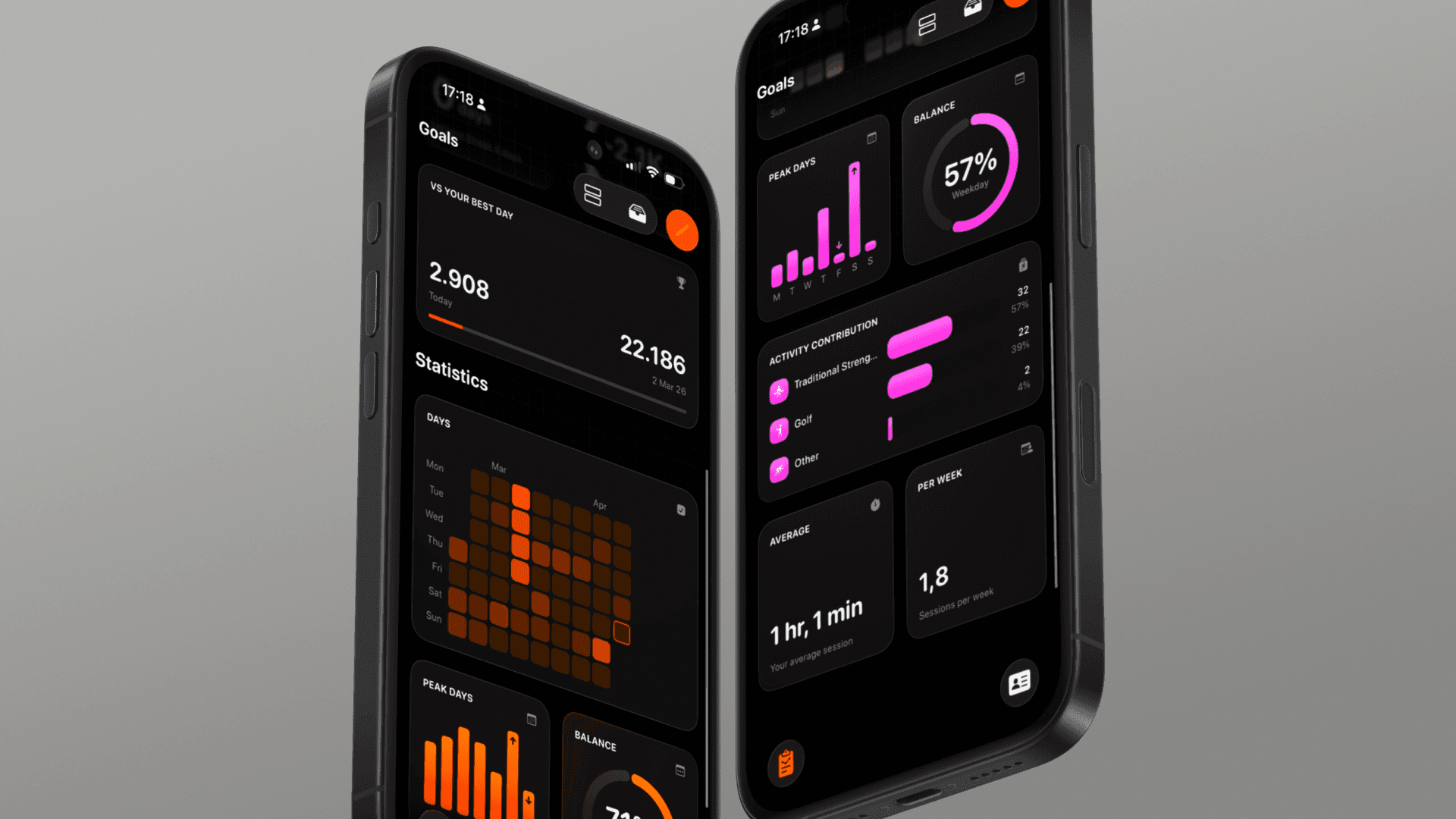
Think about how you actually train. Not what's on your plan, not what you tell anyone. What you do when no one's watching.
You run three times a week because it makes you feel good. But in between, you walk, because you know the days you don't run still matter. You try to squeeze in zone 2 even though it's boring, because you've spent months reading that it's what actually builds your base. And some weeks the gym wins, and some weeks it loses, and you never quite figure out how to track it all together because no app lets you be all of those things at once.
FitWoody didn't either.
Until now, you had one goal. One. You'd pick running 500 kilometers this year, and everything else was left out. Steps didn't count. Zone 2 didn't exist. The gym was invisible. As if choosing one target meant giving up every other. As if you were a simpler person than you actually are.
That's over.
But not just because you can now have multiple goals at once. It's over because we finally understood something we should have understood a long time ago.
Some things you chase. Some things you sustain.
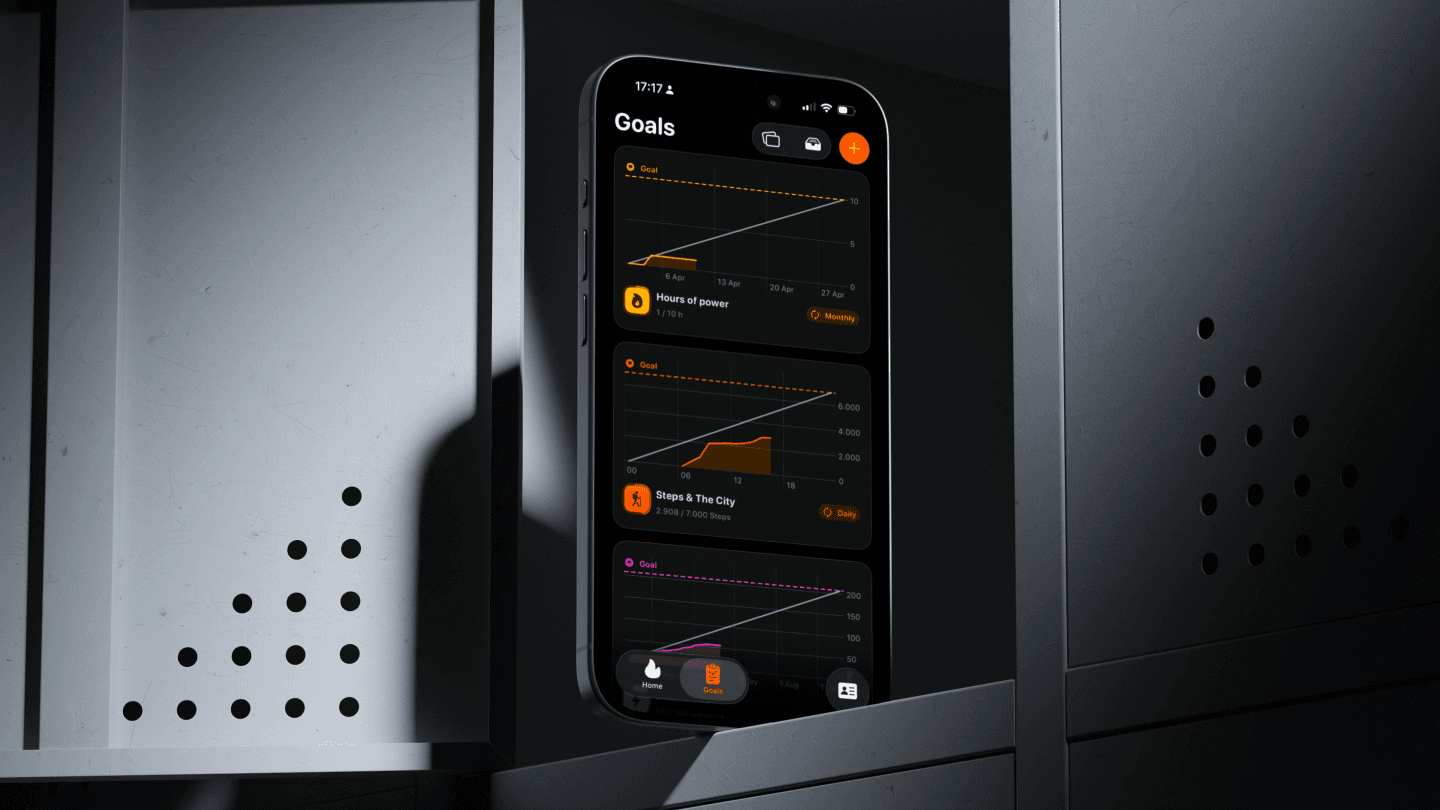
Running 500 kilometers before December is a mission. It has a beginning, it has an end, it has a moment where you look back and say I made it or I didn't. Every session adds up. Every kilometer brings you closer. It's a straight line with a destination, and the whole journey is moving toward it.
But walking 10,000 steps a day isn't a mission. It's a decision you make every morning. Working out three times a week isn't something you complete. It's something you keep up. Logging 50 weekly minutes in zone 2 has no finish line. It has Monday. It has starting over again. And that's not failure. That's exactly what building a habit means.
It's not about never falling off. It's about coming back. About still being there next Monday.
Until now, we treated both things as if they were the same, and they're not. A challenge moves in a straight line. A habit is a cycle that repeats. A challenge ends. A habit only ends if you decide you don't want it anymore.
They deserved their own space, their own logic, their own way of showing you how you're doing. Now they have it.
Understanding what's behind the number
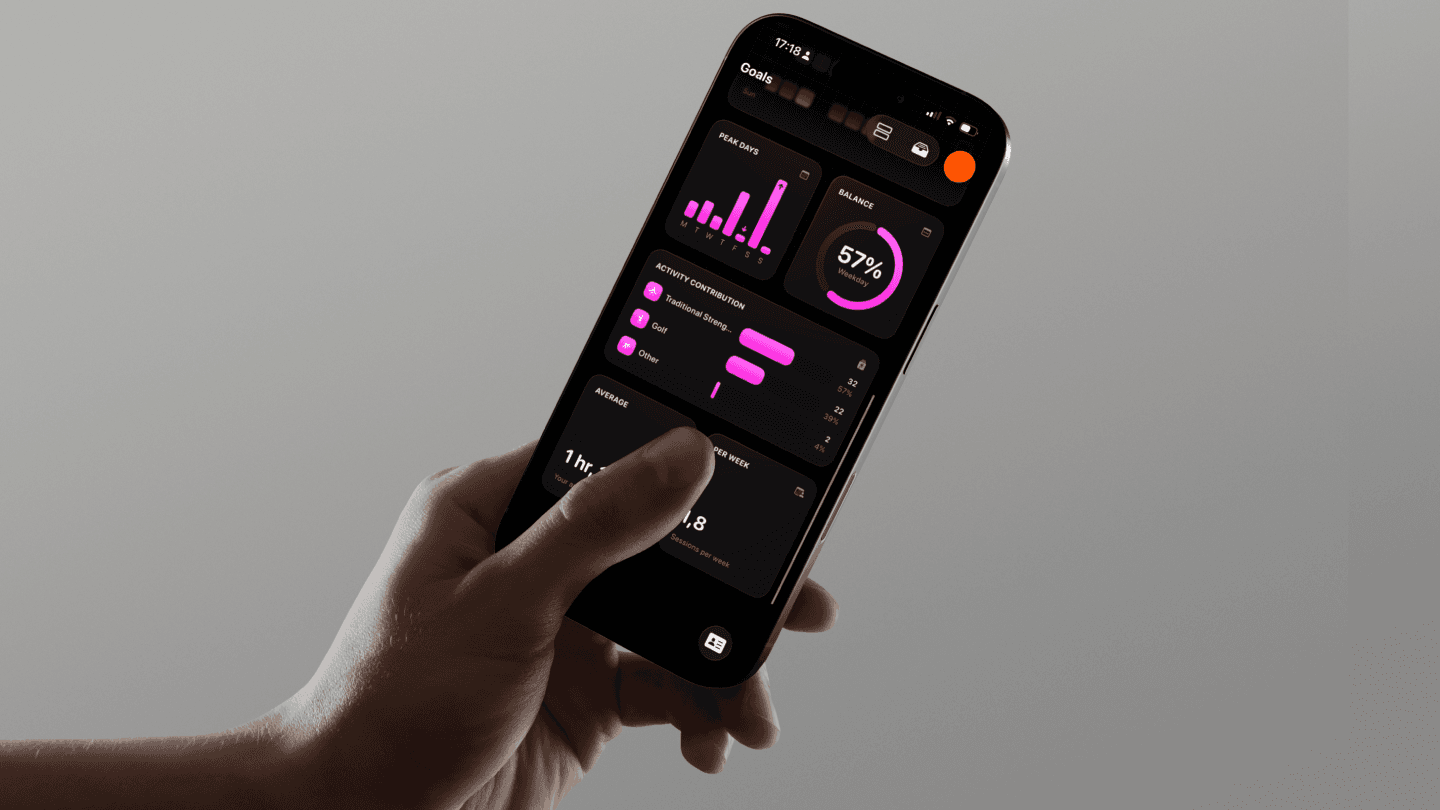
Here's what most apps do: they tell you you're at 37 out of 100. A bar. A percentage. And you just sit there, staring at a number that says nothing about how you got there.
We want you to see what's behind it.
To discover that you train more on Tuesday mornings and almost always skip Thursdays. That weekends are where you really push forward, or that they're actually your weak spot and you never knew. That this month you didn't log more kilometers than last month, but you were far more consistent, and that matters more than it seems. That your effort breaks down in a specific way across workout types, and there's a pattern there that says a lot about how you take care of yourself.
We didn't add charts to decorate a screen. We added them because understanding yourself is more useful than just counting.
When a goal ends
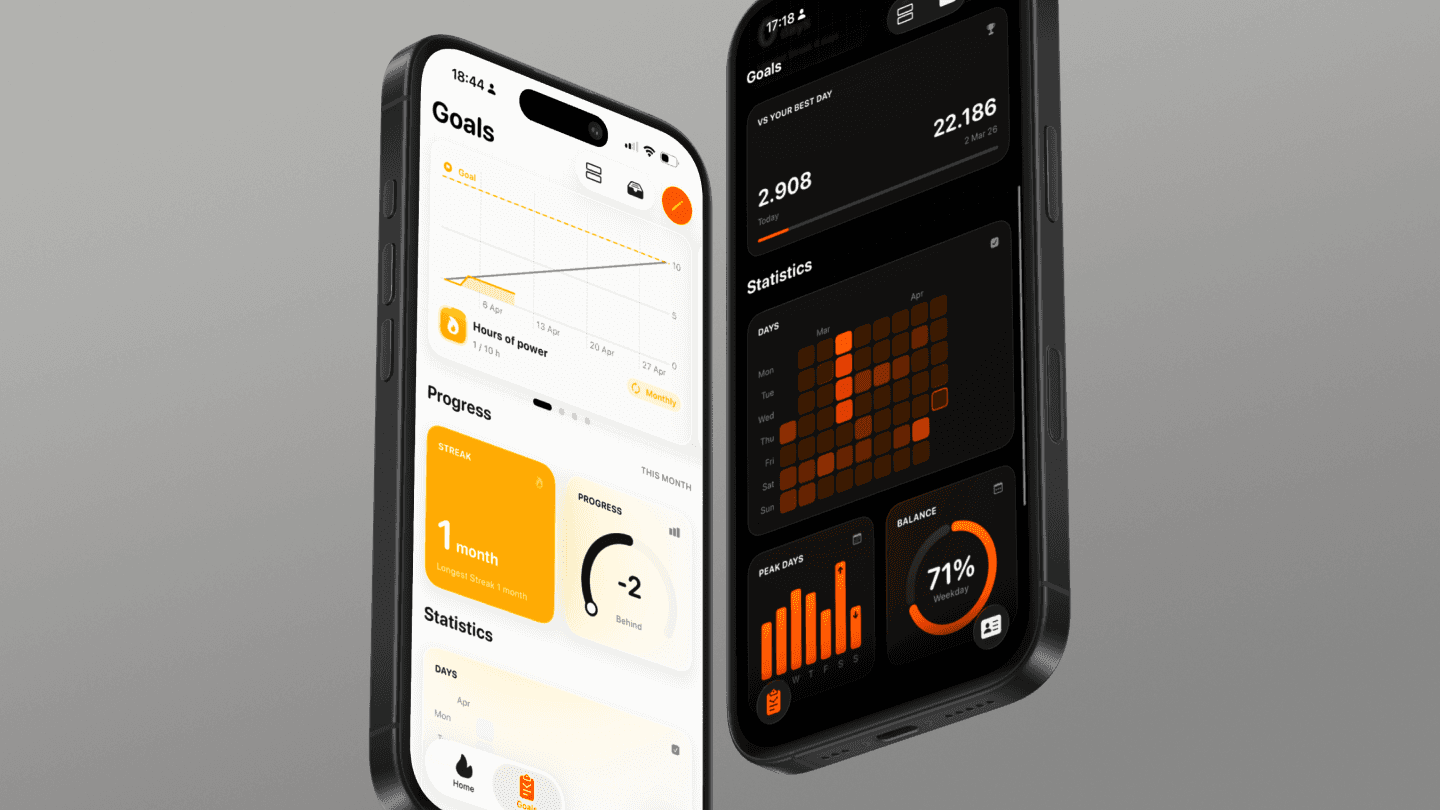
Completed challenges don't disappear. They stay as medals. Not as trophies to feed streaks or make you feel like you need to keep up a perfect pace. They stay as what they are: an honest record of what you were able to do.
Habits keep track of how many times you showed up. No judgment. Just the memory of what you've been building, there whenever you want to look back.
This came from you
We could say this feature was on our roadmap from the start, but that wouldn't be true. It came from reading messages. From people writing to tell us they wanted more than one goal. From users asking for recurring habits. From people describing how they used FitWoody and making us see what was missing.
We believe the best way to build an app is by listening to the people who use it every day. We can't always move as fast as we'd like. But everything you tell us arrives, gets read, and gets taken into account.
This is the proof.